
24/7 · All five NYC boroughs
Catch basin, yard and areaway drain cleaning
Outdoor drains in front areaways, yards, driveways and parking lots collect leaves, silt and trash. When they clog, water pools against the foundation or floods the areaway. We clean out the basin, jet the outlet line and flow-test it. Priced on site after we see the job.
- Answered 24/7
- Price confirmed before work starts
Drains we clean
- Front areaway drains on brownstones and rowhouses
- Yard and patio drains behind houses
- Driveway and garage-ramp drains
- Catch basins in parking lots and building courtyards
- Dry well inlets where they connect to the yard system
How we clean them
- Remove the grate and clear debris at the surface.
- Clean out the basin so settled silt and trash don’t wash into the line.
- Jet the outlet line to its connection point.
- Flow-test with a hose until water runs freely.
Signs it needs cleaning
- Water pooling after rain that used to drain.
- Water stains or seepage on the basement wall near the drain.
- A grate packed with leaves or silt.
- Standing water in the basin days after rain.
Why outdoor drains fill up
- Leaves in the fall, especially on tree-lined blocks.
- Silt and sand washed off driveways, patios and lawns.
- Trash blown into areaways and parking lots.
- Mulch and soil from garden beds.
- Roots in the outlet line.
Dry wells
Some NYC houses, especially in Queens and Staten Island, send yard or roof water to a dry well: an underground chamber that lets water soak into the ground. When it fills with silt, water backs up into the yard. We clear the inlet line to the dry well and tell you if the well itself looks full.
A seasonal schedule
| When | What to do |
|---|---|
| Late fall | Clear grates and basins after leaves drop |
| Early spring | Clean out winter sand and salt |
| Before hurricane season | Make sure every outdoor drain flows |
| After big storms | Check grates and basins for debris |
Parking lots and courtyards
Commercial lots and building courtyards collect more silt and trash than home yards. Catch basins there usually need cleaning twice a year. See property managers.
From real jobs
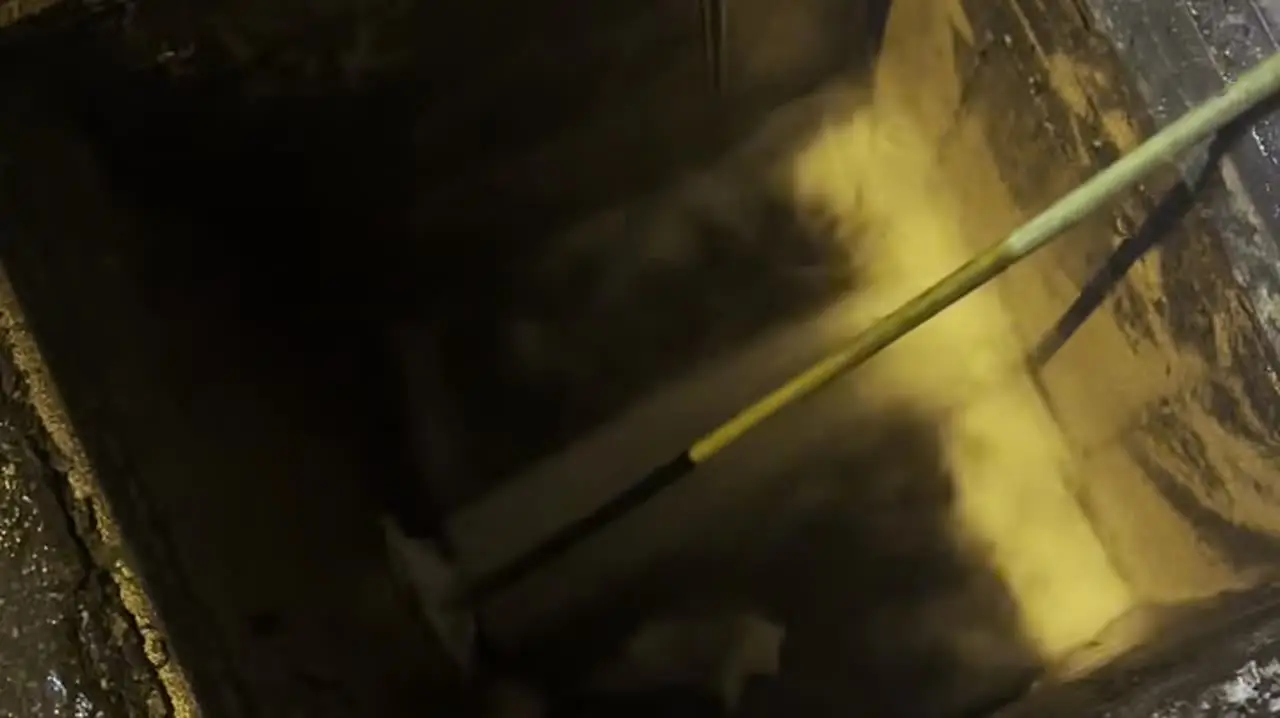
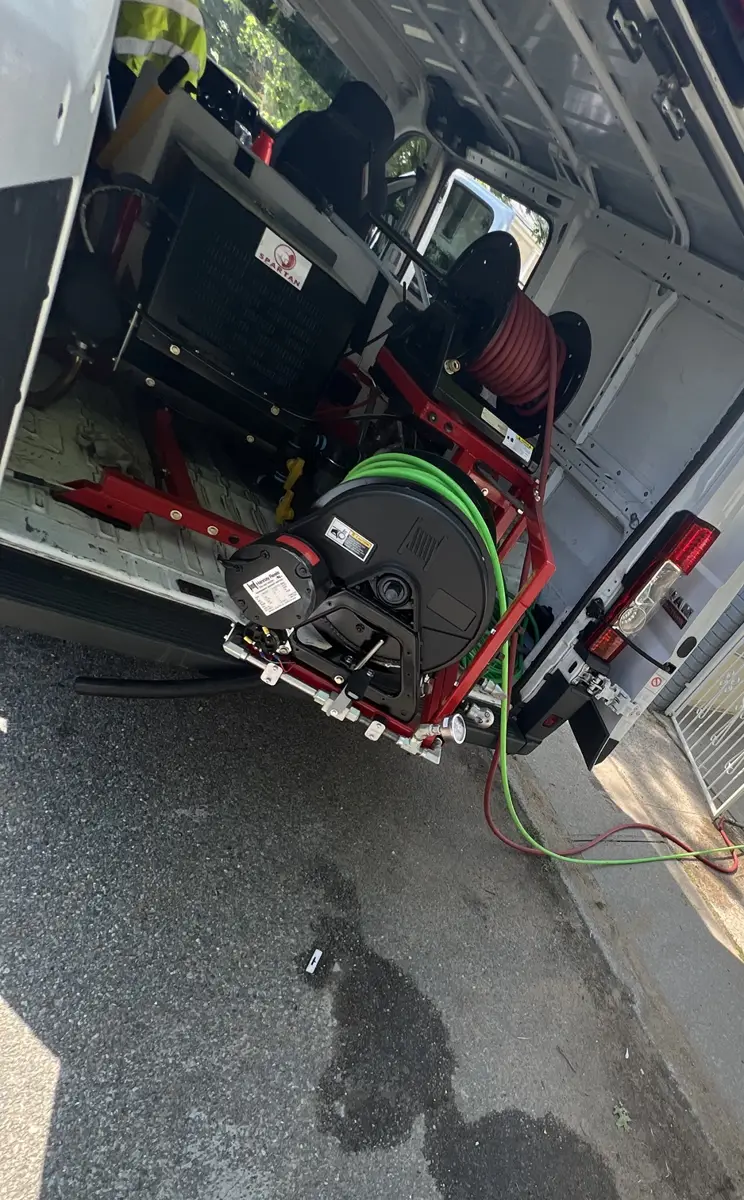
Photos and footage from our own work. No stock images.
Where we work
What we don't do. We clear, clean and inspect drains and sewer lines. If the camera shows a cracked, collapsed or separated line, you get the footage and a referral to an NYC master plumber for the fix. Why we work this way
Common questions
What's the difference between a catch basin and a yard drain?
A yard or areaway drain is a grated opening that drains surface water. A catch basin is a larger box below the grate that lets silt and debris settle before water leaves through the outlet pipe. Both need cleaning.
Why does my front areaway flood?
The areaway drain or its line is clogged with leaves and silt, so rain has nowhere to go. In brownstones that water can find its way under the door into the basement.
How much does catch basin cleaning cost?
It depends on the size of the basin and how much material is in it, so the technician prices it on site before any work starts.
How often should a catch basin be cleaned?
Once a year for most homes, before fall. Parking lots and commercial properties often need it twice a year.
Can a clogged areaway drain flood my basement?
Yes. In brownstones and rowhouses, a front areaway that can't drain lets water pool against the foundation and the basement door, and it can find its way inside.
Do you clean dry wells?
We clear the inlet lines to a dry well. If the well itself is full of silt, you'll need a company that pumps or rebuilds dry wells.
Need a drain cleared?
Calls are answered 24 hours a day. A technician looks at the job and confirms your price on site before any work starts.